Choose a portable air compressor for car tyres by checking the job first

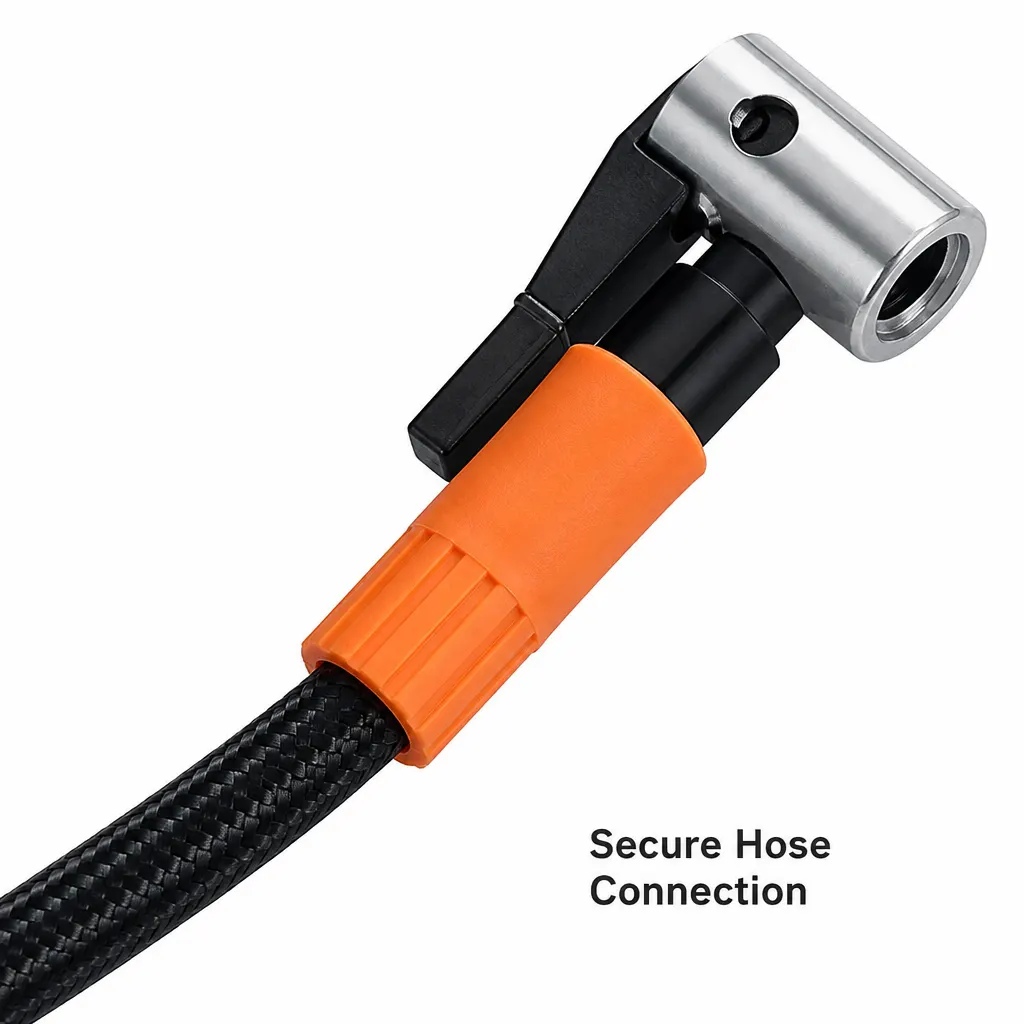
Wireless Car Tyre Inflator With Colour Display detail view

If you need to deal with low tyre pressure before a journey, start with the pressure recommended by your vehicle manufacturer, then check whether the inflator is intended for your car’s valve and pressure requirement. A portable air compressor for car tyres can be useful for checking or restoring pressure without finding a petrol-station machine, but the product information must tell you enough about its connection, controls and intended use. For this listing, the confirmed features are wireless operation, a digital pressure display and built-in lighting.

That makes the central buying decision practical rather than purely technical. You are choosing a way to handle an inconvenient pressure check at home, in a garage or beside the car in poor light. The display may make the pressure easier to read, while the lighting feature may help you see the work area. However, the available product facts do not state a battery runtime, charging time, maximum pressure, inflation speed, hose arrangement or connector contents. Those unknowns should be checked before purchase if they matter to your particular car or journey.

Match the inflator to a UK driveway, boot or workshop bench

For a time-poor UK driver, the value of a wireless inflator is mainly about readiness. A low-pressure warning can appear before a commute, a long motorway drive or a holiday departure, when making a separate trip to a garage is inconvenient. The product is described as a wireless car tyre inflator, so it is relevant to buyers looking for an option that does not depend on being beside a fixed air machine. Before relying on it, decide where it will live and how you will keep it ready for the next pressure check.

A sensible place might be a garage shelf, boot organiser or another dry storage area, provided the product instructions allow that arrangement. Do not assume that wireless means permanently ready: the supplied information does not confirm battery capacity, charging method or how long a charge lasts. Those details affect whether it suits occasional emergency preparation or a more regular maintenance routine. If you are buying it for a specific vehicle, check the valve connection and the pressure range in the full listing or instructions rather than treating the word “car” as proof of universal compatibility.

Check the documented facts before comparing portable tyre compressors

The strongest comparison starts with facts that can be verified, not with promises about speed or convenience. This model is identified as a Wireless Car Tyre Inflator with Colour Display. Its documented features are a wireless colour-display configuration, a digital pressure display and a built-in lighting feature. There are no public specifications in the supplied information for dimensions, weight, battery, charging, noise, maximum pressure, operating temperature or included accessories.

That missing information does not automatically make the product unsuitable, but it changes what you should ask before deciding. If boot storage is important, look for confirmed dimensions rather than assuming the unit is small. If you need to inflate more than one tyre, ask for battery and duty-cycle information. If you expect to use it in winter or in wet conditions, look for clear environmental guidance. A digital display is useful only when you understand its units and how the instructions say to position or connect the inflator.

Use this buyer’s checklist at the car or packing bench

Work through the checks in this order: first, read the vehicle handbook or the pressure label for the correct target pressure; second, inspect the tyre for visible damage and decide whether it needs professional attention; third, confirm that the inflator’s connector matches the valve; fourth, check how the digital display presents pressure and whether the required unit is available; fifth, confirm the charging and storage instructions for wireless operation; sixth, check the product’s stated pressure range and intended environment; and finally, make sure the built-in light is useful for the low-light situation you expect.

Keep the checklist beside the product information when comparing another model. Mark each item as confirmed, unclear or unsuitable. Size and weight matter if the inflator must stay in a small boot compartment, but no dimensions or weight are documented here. Surface and setup matter if you plan to use it on a driveway, garage floor or roadside, yet no stability or weather rating is supplied. Content also matters: the kit contents are not listed, so do not assume that adaptors, a charging lead, storage case or spare fuse are included.

Know where a tyre inflator stops and a repair begins

Inflating a tyre is not the same as repairing the cause of pressure loss. If a tyre is visibly damaged, repeatedly loses pressure or has been affected by a puncture, adding air may only provide a temporary change in pressure. The safer decision is to follow the vehicle manufacturer’s guidance and seek appropriate inspection rather than treating a portable compressor as a solution to every tyre problem. This is particularly important before a motorway journey, when a tyre that looks acceptable on the driveway may still need professional attention.

There are also product mismatches to avoid. Someone who needs confirmed high-pressure performance, a specific connector, rapid inflation, a long operating period or reliable use in a particular weather condition should not buy on the basis of the colour display and lighting alone. Those details are not documented in the supplied product facts. Likewise, a buyer who wants a complete roadside kit should check the contents separately, because no accessories or emergency equipment are listed. The inflator should be judged against the exact task, not a general hope that it will cover every roadside situation.

Compare wireless convenience with a forecourt or garage check

A petrol-station air machine or garage may already be convenient for someone who passes one regularly and wants assistance or a familiar pressure gauge. The reason to consider a wireless inflator is different: it can be kept available for a pre-journey check or for a low-pressure warning that appears at an inconvenient time. That convenience is most persuasive when travelling to a forecourt would delay the journey, when the car is parked at home, or when checking a tyre in low light would otherwise be awkward.

The trade-off is responsibility. A fixed machine may be ready to use without you managing a device’s charge, while the wireless product requires you to understand its charging and storage arrangements. The supplied information confirms the wireless format but does not confirm runtime or charging time. A careful comparison therefore asks two questions: will this be available when the pressure problem appears, and does its documented connection and pressure capability match the car? If either answer is unclear, a forecourt or garage may remain the more dependable option for that buyer.

Set up a pressure-check routine before the next UK journey

Choose a calm moment before you need the inflator: park on a suitable surface, have the vehicle handbook or pressure information to hand, and inspect each tyre before connecting anything. Check the device’s charge according to its instructions, identify the correct pressure unit on the digital display and make sure the valve connection is secure. The built-in lighting feature may help when visibility is poor, but it does not remove the need to work carefully or to follow the product instructions.

After checking or adding air, compare the result with the manufacturer’s recommended pressure rather than an estimate based on appearance. If the pressure falls again, the tyre looks damaged or the connection will not seal, stop treating the task as routine inflation and arrange appropriate assistance or inspection. Keep a note of any missing information you still need, such as dimensions, battery guidance, pressure range or kit contents. That gives you a clear basis for deciding whether this particular wireless inflator belongs in your boot or whether another solution fits the job better.

Take the next step by resolving the two biggest unknowns

Before buying, confirm the connection and pressure suitability for your actual car. Those are the first checks because a clear display and built-in light cannot compensate for a connector that does not fit or a device that does not cover the vehicle’s required pressure. Then confirm the wireless operating details, including how it is charged and how it should be stored. The public facts supplied for this product establish the wireless format, digital pressure display and lighting, but they do not answer those practical questions.

If those points are confirmed in the full product information and match your needs, the inflator can be considered as a convenient item for pre-journey checks and occasional pressure restoration. If they remain unclear, pause rather than guessing. A buyer who wants a portable air compressor for car tyres should be able to identify the target pressure, valve connection, operating instructions and readiness plan before depending on it. That short check is more useful than choosing by appearance, and it helps prevent a small purchase from becoming a frustrating roadside mismatch.